
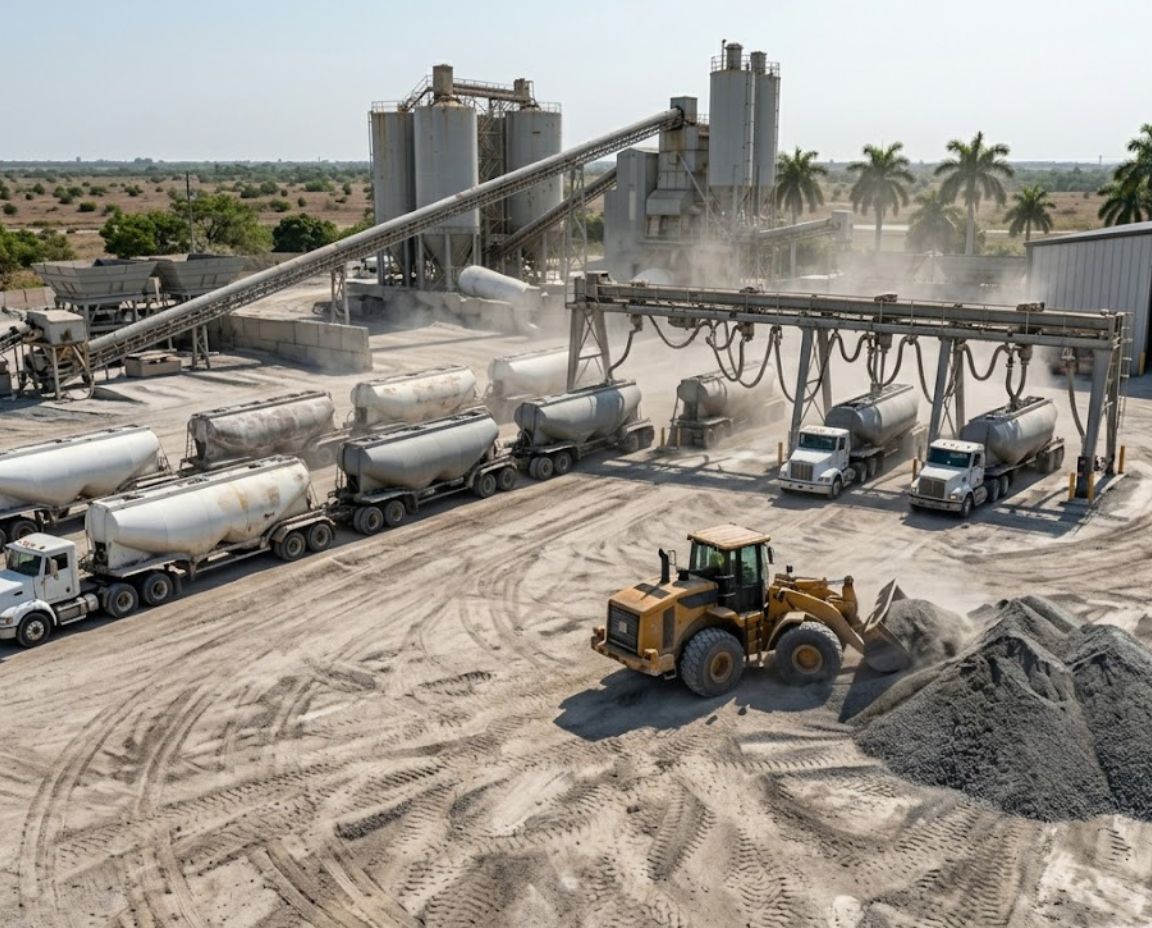
Why cement distributors near you matter more than you think
When you pour heavy structural slabs, the quality of your concrete is only half the equation. The other half is the support system holding your steel in place. If your “cement distributors near me” search is only focused on price per yard, you are leaving risk on the table.
You need a distributor that understands how your slab bolsters, continuous chairs, and bar supports interact with mix design, pour sequence, and inspection requirements. Otherwise, your crew is the one eating callbacks when cover fails or chairs punch through polystyrene on a Friday afternoon placement.
This troubleshooting guide walks you through how to evaluate local cement and ready mix distributors, where they commonly fail contractors, and how to protect your reinforcing support system on every pour.
Common problems with local cement distributors
You have probably seen at least one of these failure points on your own projects. They all start with “the mud showed up,” but they end with your bolsters out of tolerance.
- Inconsistent delivery timing
- Wrong mix or wrong slump at the chute
- Poor communication on pour sequence or truck spacing
- No understanding of rebar support hardware
- Lack of documentation when an inspector starts asking questions
Each one of these issues can turn your carefully set slab bolsters and continuous chairs into an expensive guessing game. If the first truck is over an hour late, you are suddenly rushing to beat a cold joint. When the slump is higher than spec, chairs can shift, twist, or sink, and your cover is gone.
How bad deliveries wreck your bolsters and chairs
You do not lose cover randomly. You lose it when jobsite conditions change faster than your crew can react.
High slump and support “float”
When a driver shows up with a wetter mix than you ordered, the paste becomes highly mobile. Even well spaced slab bolster for concrete reinforcement can start to swim if your crew is trying to vibrate and finish ahead of a storm cell.
If you are using plastic bar supports on vapor barriers or EPS, too much water and aggressive rodding can punch them through the membrane or foam. Now you are out of spec on both cover and isolation.
Rush placements and missed checks
When local distributors miss windows or stack trucks at the gate, your pour rhythm disappears. What should have been a controlled, staged placement becomes a scramble. In that chaos, nobody is stopping to recheck chair spacing, verify bar elevation, or confirm that slab bolsters are still tracking the structural detail.
That is when inspectors find 1 inch cover where 2 1/2 inches was specified, and you are talking about chipping and epoxy dowels instead of moving on to the next deck.
Troubleshooting guide: Matching distributors to your support system
Use this troubleshooting table as a quick way to diagnose problems you are seeing in the field and the kind of cement distributor you should be working with instead.
| Symptom on site | Likely cause at supplier | What you should demand from “cement distributors near me” |
|---|---|---|
| Chairs sinking into vapor barrier or foam | High water content, poor slump control | Distributor with documented quality control and consistent mix management, like the ready mix producers who emphasize state regulation compliance and QC for every load (Centex Materials) |
| Rebar elevation varying bay to bay | Inconsistent delivery timing, rushed placement | Supplier that can stage trucks with predictable windows, similar to 24/7 delivery operators that prioritize on time arrival for a wide range of project types (Gallagher Concrete) |
| Inspectors questioning mix documentation | Poor paperwork or generic ticket descriptions | Distributor that clearly lists mix type, additives, and standards compliance, such as providers that reference ASTM cement standards on their product lines (Illinois Cement Company) |
| Cold joints in large slabs | Gaps between trucks, limited fleet | Regional supplier with a proven fleet footprint across your metro, like ready mix companies that operate multiple plants and a growing truck fleet across neighboring cities (Hard Rock Materials) |
| Overpaying on small, frequent pours | Minimums too high, wasted yardage | Supplier that can batch on site or meter delivery so you only pay for what you use, similar to mobile mix trucks that produce fresh concrete at the jobsite (Concrete New Jersey) |
How to qualify cement distributors near you
If you are placing heavy reinforcement on chairs and bolsters, treat distributor selection like you treat engineer stamps. Ask hard questions up front, not after you have 300 yards down and a problem in the field.
1. Ask about real delivery capabilities, not just coverage maps
A lot of companies claim to “serve your area.” That does not mean they can hit a tight slab sequence on a multistory deck. You should pin them down on specifics:
- How many trucks can they commit to your pour window
- What is the realistic cycle time from their plant to your site, factoring traffic
- How do they handle add on trucks when your crew is placing faster than expected
Distributors that advertise 24 hours a day and 7 days a week availability for residential through state highway work, like Mark Gallagher Concrete, have already built systems around tight timelines. Those are the kinds of outfits that help you keep your rebar supports in spec because they keep your schedule in spec.
2. Verify mix quality controls that protect your supports
Your slab bolster system is designed around a certain slump, strength, and aggregate size. If your supplier treats those values as suggestions, not limits, you will pay for it in the field.
Look for distributors that talk openly about:
- Compliance with state and ASTM standards on their cements and mixes (Illinois Cement Company)
- In house quality labs or procedures that test and document every batch
- Ability to produce specialty mixes, not just generic “3000 psi”
Producers that emphasize blended hydraulic cements and high quality aggregates for concrete and asphalt, like Centex Materials, usually have stronger process control. That gives you more predictable paste behavior around your chairs and bolsters.
3. Match their service model to your pour profile
Not every job needs the same kind of distributor. Your choice should track the way you actually place concrete.
If you are constantly doing short runs for machine pads, trench infills, or small precast beds, a volumetric style supplier that mixes on site can save you money and reduce waste. The trucks that carry ingredients separately and batch fresh on the jobsite, as described by Quality 1st Concrete, give you precise yardage and consistent slump without overordering.
For large deck placements or tilt wall pours, you want a regional plant network with a serious fleet. Ready mix producers that operate multiple production facilities and actively grow their mixing truck fleets across neighboring cities, like Hard Rock Materials, are built for those high volume pushes.
4. Confirm they understand reinforcement support hardware
Most ready mix dispatchers talk in yards and slump. Very few talk in slab bolster height or continuous chair spacing. That is a problem when you are trying to coordinate tight reinforcing tolerances with aggressive pour schedules.
You should be comfortable asking your distributor:
- Whether their aggregates are compatible with your selected bolsters and bar supports
- How they recommend staging placements to avoid overloading chairs in one area
- What they have seen go wrong on heavily reinforced slabs and how they helped fix it
If you are already sourcing wholesale masonry supplies pompano beach or similar bulk materials, you know the value of a supplier that can talk detail. Expect the same level of technical conversation from whoever you choose when you search for “cement distributors near me.”
5. Demand clear documentation for inspectors and owners
You are not just buying concrete. You are buying paperwork that proves your reinforcement support system was installed on a compliant substrate.
Look for distributors that:
- Provide detailed tickets with mix ID, strength, slump target, and any admixtures
- Reference standard compliance like ASTM C595 or C989 where applicable (Illinois Cement Company)
- Can quickly reproduce records when an owner or inspector asks months later
A strong paper trail supports your rebar detailing and bolsters the case that any deviation from cover was not a material issue.
Integrating slab bolsters and continuous chairs with your distributor
Once you have narrowed down reliable distributors, bring them into your planning process instead of treating them as a last minute call.
Coordinate mix and support strategy early
Sit down with your structural drawings, your preferred slab bolster for concrete reinforcement, and your shortlisted supplier. Work through:
- Target cover and bar sizes in each slab or member
- Chair and bolster spacing, plus expected load from walked and vibrated mats
- Pour direction, bay sequence, and joint locations
Then confirm that your supplier can hold the slump and aggregate gradation you need so that chairs do not rock, twist, or punch through under load.
Build delivery plans around support capacity
Your reinforcement supports are not infinite. Load them too heavily, too fast, and you will see deflection or displacement. Plan truck intervals so that your crew can:
- Place concrete in manageable strips or lanes
- Vibrate without standing on unsupported mats
- Check elevations periodically as the pour progresses
Distributors that emphasize staged, reliable deliveries across large service areas, like Gallagher Concrete in Central New Jersey or Centex Materials in Austin, are better partners when you need disciplined sequencing.
5 key takeaways
- Do not choose “cement distributors near me” on price alone. Their timing and quality control directly impact your slab bolsters and continuous chairs.
- Insist on predictable delivery windows and adequate fleet capacity so your rebar supports are not stressed by rush placements or cold joint risks.
- Verify that your supplier has real quality control in place, with mixes and cements that comply with recognized standards and documented performance.
- Match the distributor’s service model, whether volumetric or plant based, to your actual pour sizes and frequency so you do not overpay or overstress your hardware.
- Involve your distributor early when planning reinforcement support layouts so that mix design, pour sequence, and chair capacity are aligned from day one.
Frequently asked questions
1. How do I evaluate which cement distributor near me is best for heavy reinforcement pours?
Start by looking beyond geography. Ask about fleet size, plant locations, average cycle times, and their track record on multi truck placements. Then drill into quality control, mix documentation, and willingness to coordinate around your reinforcing support strategy. A distributor that can talk confidently about both delivery rhythm and mix performance around rebar supports will protect your bolsters and your schedule.
2. Can I use the same distributor for both small pads and large slab pours?
You can, but it is not always the most efficient approach. Some suppliers are optimized for large volumes and will penalize you with minimum load charges on small pours. Others, like mobile mix operators that batch on site, excel at frequent short runs. If you do both every week, it often makes sense to maintain relationships with two complementary distributors and assign work based on pour profile.
3. How does cement quality impact my slab bolsters and continuous chairs?
Cement quality affects set time, strength gain, and how the paste interacts with your reinforcement supports. Poor consistency in cement or mix batching can change slump and viscosity, which changes how easily chairs sink, twist, or lose contact. Using distributors that rely on well controlled cement sources and meet clearly defined product standards, such as those highlighted by Illinois Cement Company, gives you more predictable behavior around your bar supports.
4. What should I tell my distributor about my rebar support system before a big pour?
You should share your target cover, bar sizes, chair and bolster types, and spacing. Explain your pour sequence, expected placement rate, and any sensitive areas like vapor barriers or foam insulation where support punch through is a risk. Ask your distributor to recommend a slump range and aggregate size that will help your supports perform as designed, and confirm that every truck ticket will reflect that specification.
5. How do regional differences affect my choice of cement distributors near me?
Local climate, aggregate availability, and regulatory standards all play a role. For example, Central New Jersey contractors might prioritize 24/7 availability across mixed residential and infrastructure work with suppliers like Mark Gallagher Concrete, while Austin contractors may focus on crushed limestone based mixes from providers like Centex Materials. The right distributor is the one that understands your region, your codes, and how your reinforcement support hardware needs to perform in that environment.
