
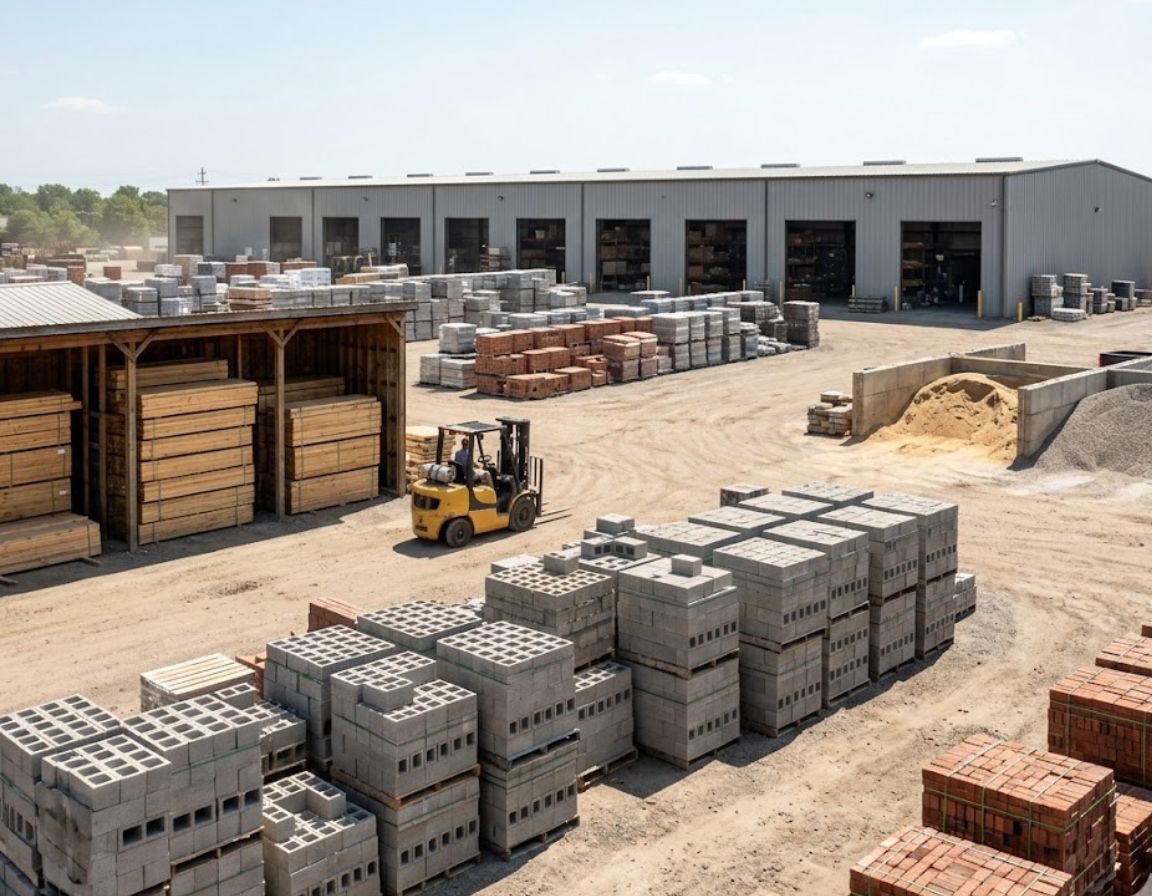
Why your construction material dealers matter more on finished walls
When you are working in open framing, almost any box screw or structural fastener will get you home. Once the drywall goes up, the math changes. Suddenly you are depending on hollow wall anchors and toggle hardware to carry the load, protect the finish, and pass inspection, all without a single stud in the right place.
That is where reliable construction material dealers earn their keep. The dealer you choose determines whether your next panel install, TV mount, or conduit run stays on the wall for 20 years or tears out of the gypsum the first time someone leans on it.
At Construction & Electrical Products, we supply electricians, finish carpenters, and maintenance techs who work on finished walls every day. You are not shopping for “anchors” in the abstract. You are looking for a specific, certified solution that matches the substrate, load, and environment, and you need it on your truck before the next call.
What you really buy from a dealer
You are not just buying metal and plastic. When you choose construction material dealers wisely, you are really buying three things: accuracy, uptime, and liability protection.
Accuracy starts with having the right hollow wall and drywall anchors in stock, clearly labeled, and backed by real load data. The wrong anchor in the right hole is still a failure. Reputable suppliers maintain strict quality control so you are not stuck with off spec or counterfeit hardware that looks fine until it rips out of a hallway wall and takes a handrail with it, which is exactly the type of risk good suppliers help you avoid (Ansbacher Law).
Uptime is about logistics. If your crew is burning half the morning chasing fasteners, that is profit leaking out of your schedule. Strong dealers handle inventory and delivery so you can keep your tools pointed at revenue. In markets like South Florida, this is why many contractors lean on local partners for pompano beach construction supplies instead of gambling on slow, one size fits all shipping.
Liability protection is the quiet benefit. Using materials that meet industry standards and local building codes reduces the odds that a failed anchor turns into a claim or a callback. When suppliers miss on quality or compliance, projects get delayed, costs spike, and you can even face safety issues or legal exposure (Ansbacher Law).
In finished spaces, every hole you drill is visible. There are no second chances without cutting, patching, and painting. A precise dealer relationship keeps you out of that spiral.
Hollow wall and drywall anchors you should have on the truck
Drywall is a weak, brittle material, so the anchor you choose has to spread load, resist pull out, and survive everyday abuse. You can get that performance, but only if you match the anchor type to the job instead of grabbing the nearest zinc widget from a bargain bin.
Here is a simple way to think about the main categories you should expect your construction material dealers to stock in depth:
| Anchor type | Typical load range (shear on 1/2 in drywall, approximate) | Best use cases |
|---|---|---|
| Plastic expansion plugs | Very light, often under 20 lb | Temporary fixtures, light signage, low risk residential items |
| Self drilling drywall | Light to medium, roughly 30 to 50 lb | Thermostats, light fixtures, controls, light duty brackets |
| Hollow wall toggle bolts | Medium to heavy, 50 lb and up with proper spacing | TV mounts, grab bars, shelves, heavier conduit and cable trays |
| Specialty metal anchors | Varies, often engineered and rated per spec | Fire rated assemblies, code critical attachments, seismic work |
Exact ratings depend on manufacturer, drywall thickness, and installation, but the direction is clear. Plastic expansion plugs are for pictures, not panelboards. For serious loads in hollow walls, you should be reaching for self drilling anchors or toggle style solutions that bite into a wide area of gypsum rather than relying on a small friction sleeve.
The right dealer will help you move from “this should hold” guesswork to “this anchor is rated for this load in this substrate, and here is the test data.”
What a precision focused dealer does differently
Most big box stores sell anchors. Very few operate like true building material wholesalers that understand trades, specifications, and risk. When you are choosing construction material dealers for hollow wall and drywall work, you want partners who operate with a higher standard.
You should look for dealers that:
- Specialize in serving trades, not just walk in DIY traffic
- Stock anchors by load rating and substrate, not just by part number
- Maintain documentation on code compliance, fire ratings, and test data
- Offer order accuracy and delivery options that match your schedule
- Support you with real product knowledge, not guesswork
In the United States there are tens of thousands of establishments that fall under the building material dealers umbrella, from home centers to specialized electrical and plumbing supply houses (First Research). You are not short on choice. The question is how many of these operations are actually ready to support a commercial electrical rough-in on Monday and a hospital grab bar retrofit on Tuesday without slowing you down.
If you are already working with dedicated building material wholesalers, you know the difference. Shorter lead times, better product depth, and less time educating your supplier on what a hollow wall toggle actually does.
How Construction & Electrical Products supports precise installs
At Construction & Electrical Products, our job is simple. You own the install. We make sure the hardware does not fail you.
You get access to:
- Specification grade hollow wall and drywall anchors from trusted manufacturers
- Clear labeling for substrate, drill size, and load capacity
- Stock that supports everything from light duty fixtures to serious structural attachments
- Technical support that understands NEC, ADA, and local code implications
We have spent decades watching what actually fails in the field. Cheap anchors that spin in the hole. Toggles that bottom out on the backside of 5/8 inch board. “Universal” hardware that is not rated for the grab bar someone is going to rely on to stand up tomorrow morning.
So we build our inventory around what keeps you out of callbacks. That means fast availability, correct specifications, and enough depth that you can standardize your crews on a small, reliable family of anchors for almost every hollow wall scenario you encounter.
Why quality and compliance matter more on drywall
On a structural member, you can sometimes overpower a bad decision. Thicker lag, longer embedment, overkill bracket, and the wood or concrete still has capacity in reserve.
In a hollow wall, you do not have that luxury. The gypsum is the limiting factor. If your anchor is not engineered to spread the load across enough surface area, you will simply tear the wall apart. That is why reputable suppliers are obsessive about quality control and code compliance. Using counterfeit or substandard materials is one of the fastest paths to cracks, leaks, and structural instability in the broader construction world (Ansbacher Law).
Building material dealers that take their role seriously also reduce your risk around:
- Fire ratings, by stocking anchors and hardware that do not compromise rated assemblies
- Accessibility requirements, by offering grab bar and rail anchors tested for the loads in ADA related specs
- Inspection outcomes, by ensuring the hardware you install matches what the project documents call for
When you are hanging critical hardware on drywall, you want the peace of mind that comes from using a system that has already been engineered and tested for that exact use, not just “close enough” parts pulled together from the discount aisle.
How to evaluate construction material dealers for your workloads
Before you commit to a supply partner, line up what you do every week and ask if they can support it without friction. Construction and maintenance businesses are advised to evaluate project type, material volume, and specific product needs before choosing hardware suppliers (Sky Building Materials). The same logic applies here.
For hollow wall and drywall anchors, test your dealer against questions like:
- Do they stock anchors in all the sizes you actually use, or will you be mixing brands and styles on the same job
- Can they confirm load ratings and substrate compatibility in writing
- Do they carry specialty anchors for problem conditions like old plaster, double layer board, or tile over gypsum
- How fast can they replenish core items if you land a multi floor retrofit on short notice
- Are their prices competitive without pushing you into mystery imports
Competitive pricing and reliable delivery are critical factors when choosing any building hardware supplier. You should be comfortable comparing multiple quotes and verifying that your dealer actually has the logistical capability to meet your project timelines (Sky Building Materials).
If the answers are vague or the counter team treats anchors as a commodity instead of a safety factor, you are in the wrong place.
Using data and digital tools without losing precision
You are seeing more software in the material supply chain every year. Platforms that analyze which building materials are bought most often and where you can save based on volume and price volatility help construction material dealers tighten their pricing and inventory for you (Field Materials). Other tools track job costs down to ordered, delivered, invoiced, and paid quantities so suppliers and contractors can monitor budget versus actual in real time (Field Materials).
On your side of the counter, there are also material price comparison tools that let you see real time prices and availability across major suppliers. These platforms help dealers, contractors, and builders find better deals and make informed decisions, as well as confirm product specifications before you commit (Contractor+).
All of that is useful, but it does not replace the need for precision on fasteners. Online pricing is only as good as the product knowledge behind it. Some tools provide data “as is,” which means you still have to verify that the anchor you are buying actually meets your project’s requirements (Contractor+).
Use the technology to control cost and availability. Rely on high quality construction material dealers like Construction & Electrical Products to control specification and performance.
5 key takeaways
- Hollow wall and drywall work is unforgiving, so you need anchors that are engineered and rated for gypsum, not generic hardware.
- The right construction material dealers protect your uptime and liability by stocking compliant, on spec fasteners with real load data.
- Quality and compliance matter more on finished walls because failures are visible, expensive, and can create safety issues.
- Evaluate suppliers on depth of anchor inventory, documentation, delivery performance, and product knowledge, not just price.
- Digital tools can help compare prices and track costs, but you still need a precision focused dealer to make sure every hole you drill holds for the long term.
Frequently asked questions
1. What type of anchor should you use for heavy loads on drywall with no stud available?
For serious loads like TV mounts, grab bars, or heavy shelves, you should be using hollow wall toggle bolts or specialty metal anchors designed for gypsum, not plastic expansion plugs. Look for products with published load ratings for your exact drywall thickness and installation orientation.
2. Can plastic expansion anchors ever be used on professional jobs?
Yes, but only for light duty applications where the risk is low, such as small signage or very light fixtures. In commercial or institutional settings where people may lean on or pull on the installed item, you are better off upgrading to self drilling or toggle style anchors with higher capacity.
3. How do you verify that an anchor meets code requirements?
Start with the manufacturer’s datasheet and test reports. A good construction material dealer will provide documentation that shows load ratings, approved substrates, and any relevant fire or seismic certifications. When in doubt, match the anchor type and rating to what the project specifications or engineer of record call for.
4. Why not just oversize the anchor and “play it safe”?
Oversizing without understanding the substrate can backfire. In hollow walls, making the hole too large for the anchor design can actually reduce capacity or cause spinning and blowout. Precision means using the right anchor, in the right size, installed exactly as the manufacturer specifies.
5. How can a dealer like Construction & Electrical Products reduce your callbacks on finished walls?
By stocking only specification grade anchors, maintaining tight quality control, and helping you match each product to its proper application. When your hollow wall and drywall fasteners are chosen with load, substrate, and code in mind, you dramatically cut down on failures, emergency returns, and costly repairs to finished spaces.
